




Mu Cang Chai in Rice Season: Vietnam's Most Beautiful Terraced Rice Field Paradise
Tucked away in the mountains of Northwest Vietnam, Mu Cang Chai district (Yen Bai province) is one of the most beloved destinations for nature lovers and landscape photographers. With its terraced rice fields cascading from the foothills up to the hilltops, Mu Cang Chai has been recognized as a National Scenic Site and has become a symbol of the labor and culture of the local H'Mong ethnic community.
Beyond domestic recognition, Mu Cang Chai has also been praised by international travel magazines as one of the most beautiful terraced rice field destinations in Asia. This article will take you through its stunning scenery, the best times to visit, must-have experiences, and detailed travel tips for Mu Cang Chai.
Why Is Mu Cang Chai Called a "Terraced Rice Field Wonder"?
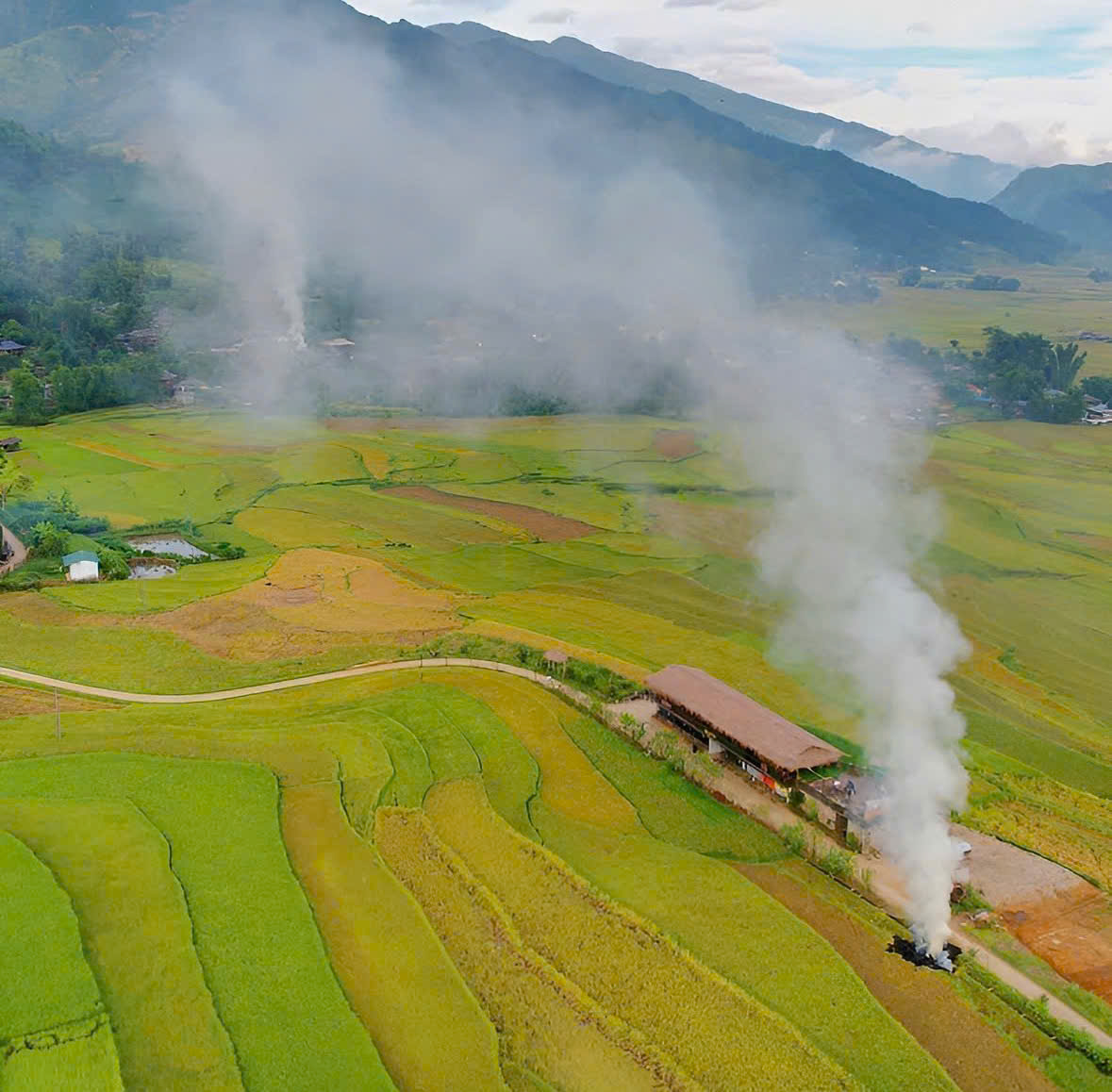
Over hundreds of years of cultivation, the H'Mong people of Mu Cang Chai have shaped terraced fields that flow gracefully along the mountainsides, stacked like giant staircases reaching toward the sky. The three most famous communes for their stunning terraces are La Pan Tan, Che Cu Nha, and De Xu Phinh — often described as a true "masterpiece" of nature and human hands working together.
Seen from above, the curving lines of the terraces create a mesmerizing picture: lush green during the water season, glowing gold during the harvest. This is precisely why Mu Cang Chai consistently ranks among the top destinations sought out by photographers, especially drone photographers, since the rolling mountain terrain offers spectacular aerial perspectives.
What sets Mu Cang Chai's terraces apart from other regions is their scale and steepness. Some fields sit at nearly 1,000 meters above sea level, requiring highly skilled farming and irrigation techniques that the H'Mong people have refined over many generations.
Best Time to Visit Mu Cang Chai
Water season (May – June): This is when locals begin channeling water into the fields to prepare for planting. The fields shimmer like silver under the sun, reflecting the sky and mountain clouds, creating a scene of rare, ethereal beauty. It's also the ideal time for reflection photography and to experience the bustling atmosphere of highland farming life.
Harvest season (mid-September – mid-October): This is the most beautiful and busiest time of year. The entire mountainside turns a brilliant gold, blending with wisps of smoke rising from simple stilt houses to create scenery that feels both majestic and strangely peaceful. If you're planning to visit during this season, it's best to book accommodations and services at least 3-4 weeks in advance, as this is peak travel season.
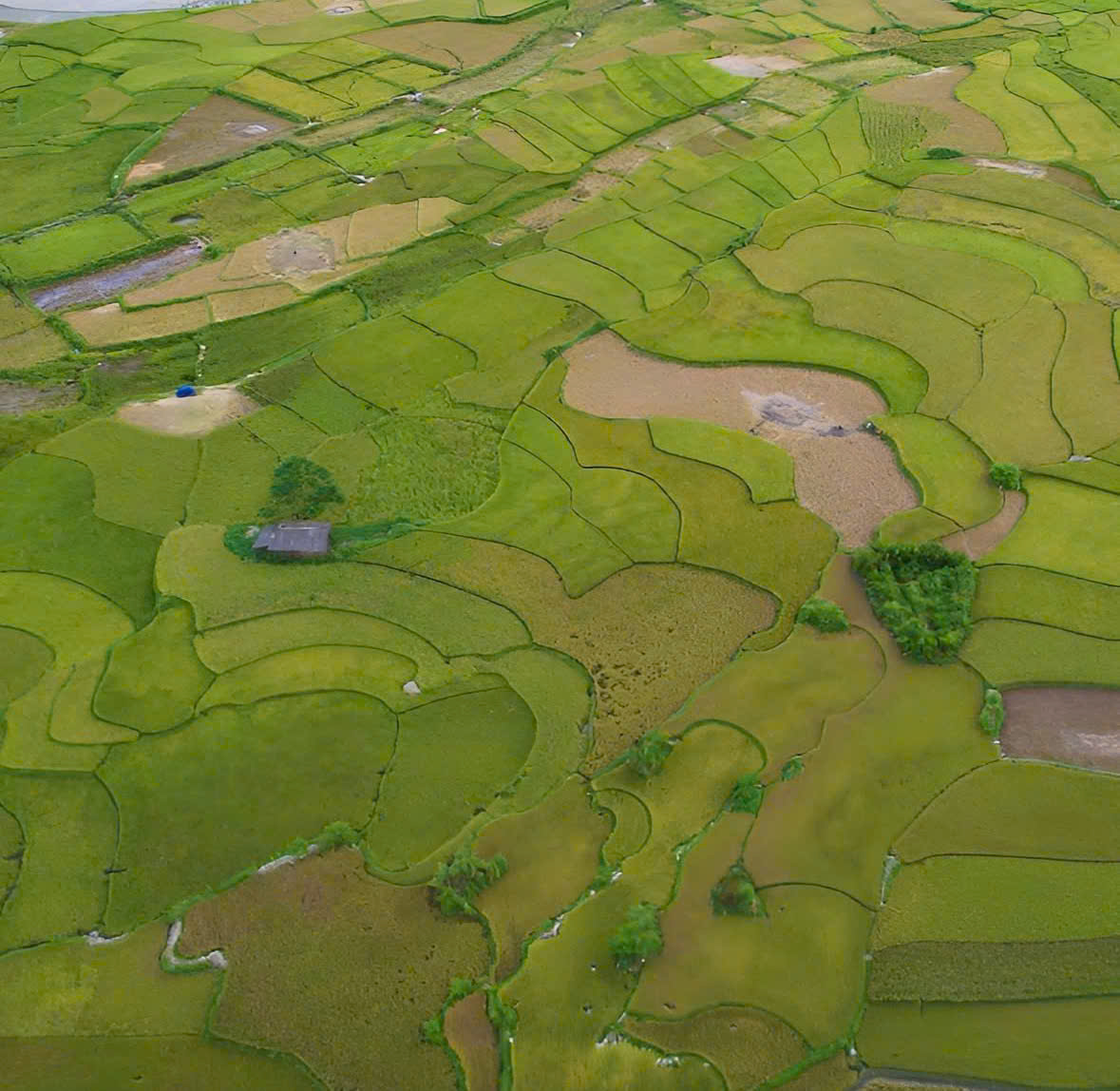
Beyond these two peak seasons, Mu Cang Chai in winter (December – February) has its own charm, with mist blanketing the hills and the crisp, cool air typical of Vietnam's northwest highlands. This is a good time for travelers who want to avoid crowds and seek quiet, though the scenery won't be as vivid as during the two main seasons.
Must-Have Experiences
- Admire the terraces from Khau Pha Pass – one of Vietnam's "four great mountain passes," offering sweeping views over the entire valley of terraced fields, especially stunning at sunrise when morning mist still lingers over the hilltops.
- Paragliding over the golden season – experience Mu Cang Chai from above and take in the full grandeur of the northwest mountains. The "Flying Over the Golden Season" paragliding festival is typically held during harvest season and draws paragliders and visitors from both Vietnam and abroad.
- Explore H'Mong villages – learn about local life and culture, sample highland specialties like smoked buffalo meat, young rice (com), and corn wine, and admire the vibrant, intricately woven brocade costumes.
- Check in at famous viewpoints in La Pan Tan and Che Cu Nha – home to some of Vietnam's most iconic terraced field views, including the distinctive round "sticky rice basket" terraces.
- Trek through the valley and along its winding streams – for travelers who enjoy being active, walking through small villages offers a chance to fully experience the slow pace of highland life.
Local Cuisine and Specialties
Visiting Mu Cang Chai, travelers shouldn't miss the chance to try the distinctive cuisine of the highland H'Mong people. Notable dishes include five-color sticky rice, "thang co" (traditional meat stew), "men men" (steamed cornmeal), grilled river moss, and especially freshly made young rice (com) during harvest season. Corn wine fermented with forest leaves is also a signature drink often served at local meals, carrying the bold, distinctive flavor of the northwest mountains.
Where to Stay in Mu Cang Chai
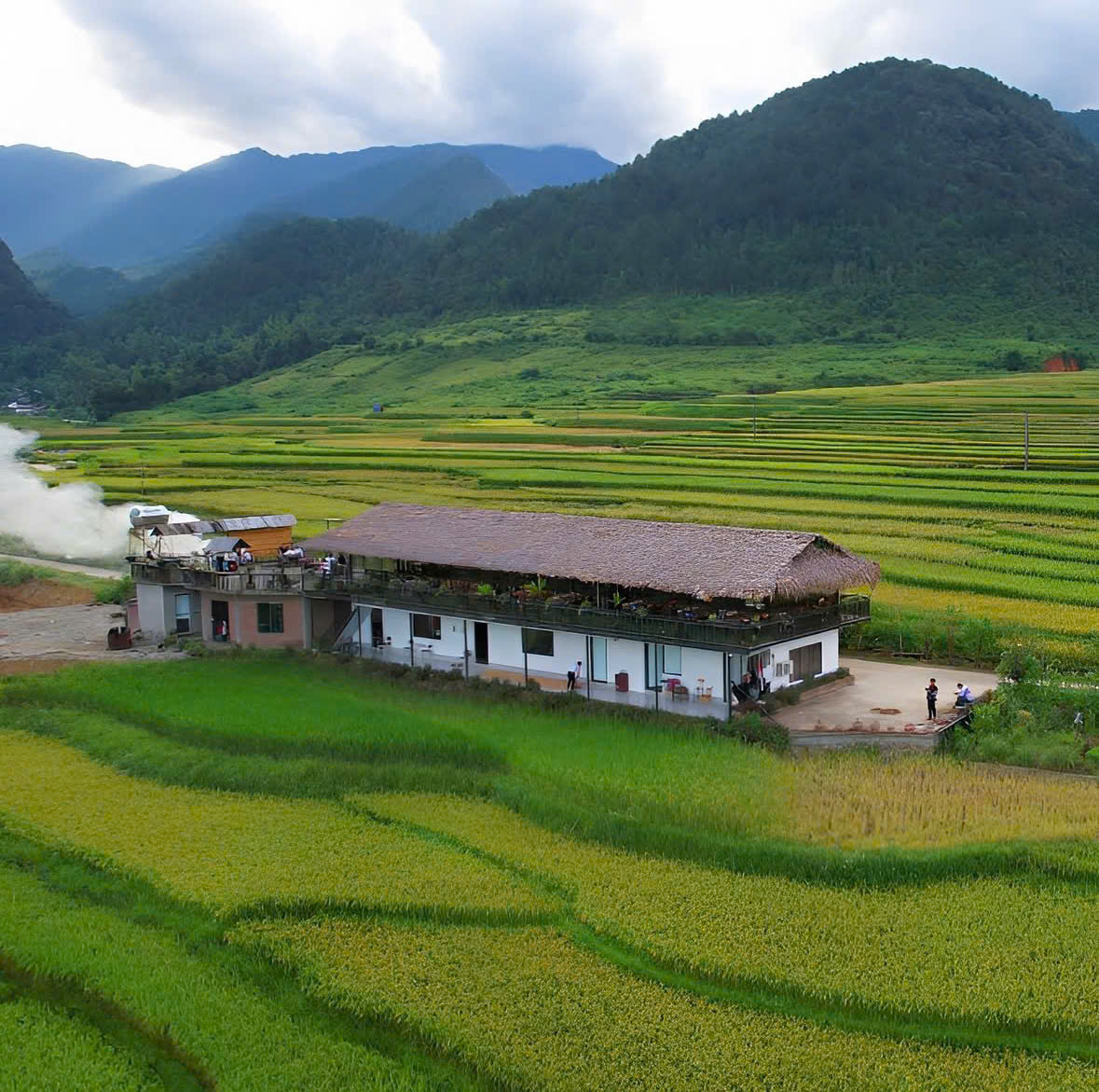
Mu Cang Chai now offers a wide range of accommodation options, from traditional H'Mong homestays to well-developed resorts with terraced field views that cater well to international visitors. If you want an experience close to local culture, a homestay is the ideal choice; if you prioritize comfort and scenic views, the terrace-view resorts in La Pan Tan are a great option.
Suggested Itinerary: Explore Northern Vietnam
If you're looking for a complete journey to discover the natural beauty and culture of Northern Vietnam's mountains — not just Mu Cang Chai, but many other remarkable destinations as well — check out the Discovery the North of Vietnam – 5 Days 4 Nights tour by Asia Pacific Travel. This itinerary is designed specifically for travelers who love majestic mountain scenery and want an authentic taste of local culture in Northern Vietnam.
Travel Tips for Getting to Mu Cang Chai
Mu Cang Chai is about 280km from Hanoi, and the drive takes roughly 6-7 hours by car. Travelers can go via Nghia Lo, or combine the trip with a stop in Tu Le for a fuller experience of the northwest route. The road over Khau Pha Pass is another popular option, as it offers scenic views along the way.
For a smooth, safe, and stress-free trip, choosing a reputable, locally knowledgeable tour operator is essential — especially given the winding mountain passes of the northwest. A few tips for the journey:
- Check the weather before you go, as the rainy season (June-August) can make mountain roads slippery.
- Pack warm clothing if traveling in winter or during early mornings, since highland temperatures are noticeably lower than in the lowlands.
- If self-driving, be sure to check your brakes and engine beforehand, as the route involves continuous steep, winding passes.
Planning a trip to explore Northwest Vietnam? Get in touch with us for tailored travel advice that fits your needs.
Related Posts

.png)
.png)