


More Than Mountains: The Weekly Markets That Bring Northern Vietnam to Life
Northern Vietnam is famous for its spectacular mountain landscapes, winding roads, terraced rice fields and remote ethnic minority villages. Yet beyond the scenery lies another fascinating side of the region: its traditional weekly markets.
From the colorful highland markets of Lao Cai to the lively Sunday gatherings of Ha Giang, these markets offer a glimpse into the everyday lives, customs and traditions of the communities who call the mountains home. They are places where people come not only to buy and sell goods, but also to meet friends, exchange news, share meals and maintain long-standing cultural connections.
For travelers seeking authentic cultural experiences in Northern Vietnam, visiting a local market can be one of the most memorable moments of a journey. Each market has its own character, shaped by the surrounding landscape and the ethnic communities who gather there.
Why Are Weekly Markets So Special in Northern Vietnam?
Unlike conventional markets found in large cities, many highland markets in Northern Vietnam take place on a specific day of the week. In remote mountain communities, this weekly gathering is often an important social event.
Local people travel from surrounding villages, sometimes covering considerable distances on foot or by motorbike, to sell agricultural produce, purchase household essentials, exchange livestock and catch up with acquaintances.
The atmosphere can be especially lively in the early morning, when stalls fill with fresh vegetables, seasonal fruits, colorful fabrics, traditional clothing, farming tools and handmade baskets. Food vendors serve steaming bowls of noodle soup, while livestock traders gather in designated areas to negotiate prices.
For visitors, these markets reveal a more personal side of Northern Vietnam. Rather than simply observing the scenery, travelers have an opportunity to discover how local communities live, work and preserve their cultural identities.
1. Bac Ha Market: A Colorful Highland Gathering
Location: Bac Ha District, Lao Cai Province
Market day: Sunday
Bac Ha Market is among the most well-known ethnic minority markets in Northern Vietnam. Set in the mountains of Lao Cai, it attracts people from surrounding villages, including members of the Flower Hmong and other ethnic communities.
The market is particularly renowned for its vibrant traditional clothing. Women arrive wearing intricately embroidered garments, brightly colored skirts and decorative headwear, creating a striking contrast with the earthy tones of the surrounding mountains.
Beyond its colorful appearance, Bac Ha Market remains an important place for local trade. Visitors can browse stalls selling fresh produce, herbs, spices, handmade textiles, household goods and traditional agricultural products.
The food section is another highlight. Local specialties and hearty bowls of noodle soup offer a taste of everyday highland cuisine, while conversations and trading activities bring the market to life.
Travel tip: Arrive early in the morning to experience the busiest hours and observe the market before it becomes crowded. Bac Ha is often combined with a journey through the surrounding countryside or an overnight stay in the area.
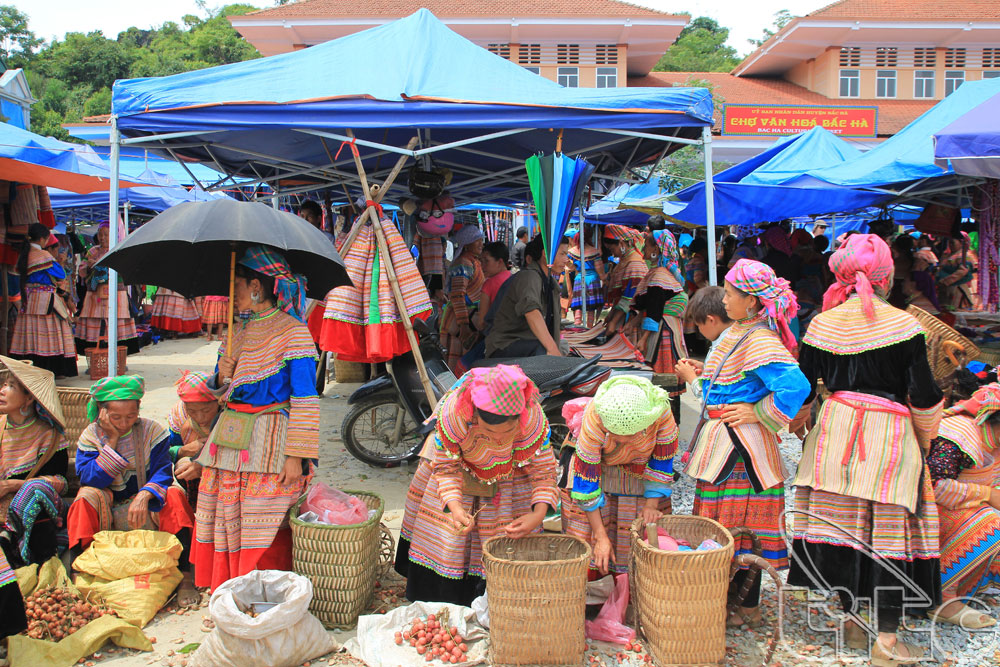
(Source: Vietnamtourism)
2. Can Cau Market: A More Remote Highland Experience
Location: Can Cau, Lao Cai Province
Market day: Saturday
For travelers willing to venture farther into the mountains, Can Cau Market offers an opportunity to experience a more remote side of Northern Vietnam.
Located near the Chinese border, the market is surrounded by rugged hills and dramatic mountain scenery. It is particularly associated with the Flower Hmong community, whose traditional clothing adds vivid colors to the market's natural setting.
Can Cau is known for its livestock trading, agricultural products, textiles and everyday goods. In designated areas, traders gather to buy and sell animals, creating a lively atmosphere that reflects the agricultural traditions of the region.
Compared with more frequently visited destinations, the journey to Can Cau can feel like an adventure in itself. Mountain roads wind through villages and valleys, offering glimpses of rural life along the way.
Travel tip: Can Cau is best suited to travelers with flexible schedules who want to explore beyond the main tourist routes. Consider combining it with Bac Ha or other destinations in the Lao Cai highlands, while allowing sufficient time for mountain-road transfers.
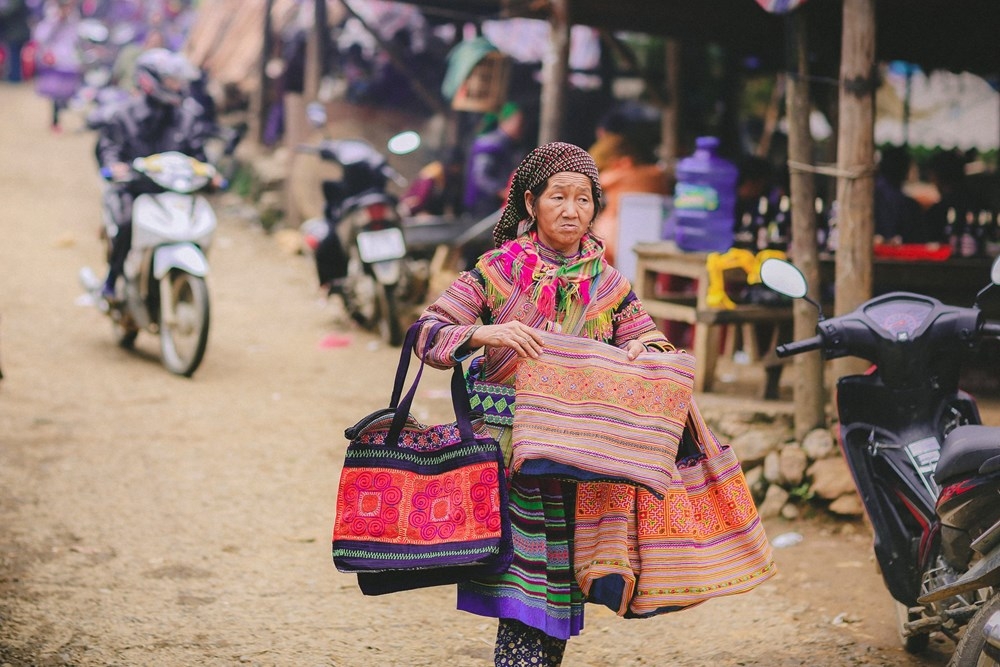
(Source: Vietnam Investment Review)
3. Dong Van Market: Culture in the Heart of the Ha Giang Karst Plateau
Location: Dong Van, Ha Giang Province
Market day: Sunday
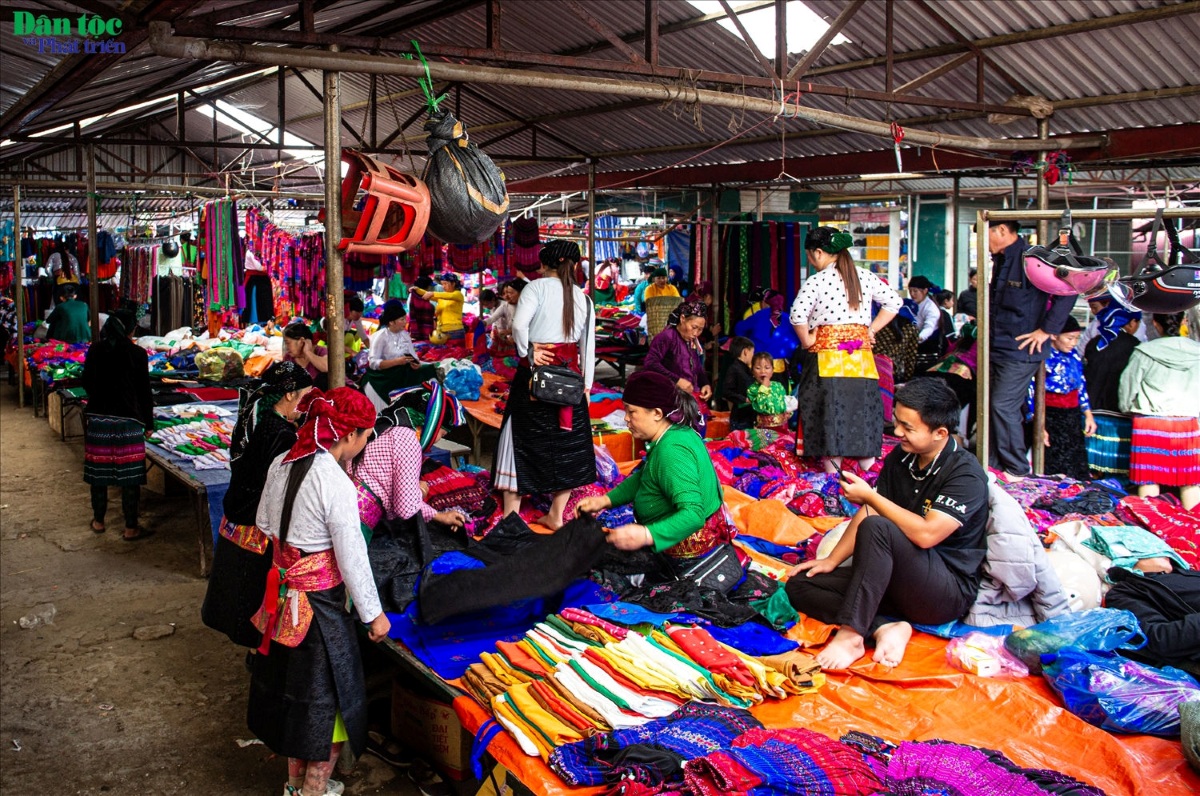
Set amid the dramatic limestone landscapes of the Dong Van Karst Plateau, Dong Van Market brings together local communities from the surrounding mountains.
The market is an important meeting place for several ethnic groups, including Hmong, Tay, Dao and Giay communities. Their traditional clothing, languages, food and trading customs contribute to the distinctive character of the gathering.
Stalls offer vegetables, medicinal herbs, spices, household items and locally made products. Traditional food vendors serve regional dishes, giving visitors a chance to sample the flavors of the northern frontier.
The surrounding old town adds another dimension to the experience. After exploring the market, travelers can wander through historic streets, admire traditional architecture and enjoy the contrast between the lively market atmosphere and the peaceful limestone mountains beyond.
Travel tip: Sunday is the main market day, so plan your overnight stay in Dong Van accordingly. Combining the market with the Ma Pi Leng Pass, Nho Que River and nearby ethnic villages creates a rewarding Ha Giang itinerary.
(Source: Ethnicity and Development Newspaper)
4. Meo Vac Market: A Window into Traditional Mountain Life
Location: Meo Vac, Ha Giang Province
Market day: Sunday
Meo Vac Market is another fascinating stop on a journey through the Ha Giang region. Surrounded by steep limestone mountains and remote settlements, it serves as an important trading and social center for local communities.
The market is especially interesting for visitors who want to understand the relationship between the landscape and everyday life. In this rugged environment, agriculture, livestock raising and small-scale trade remain essential parts of many households' livelihoods.
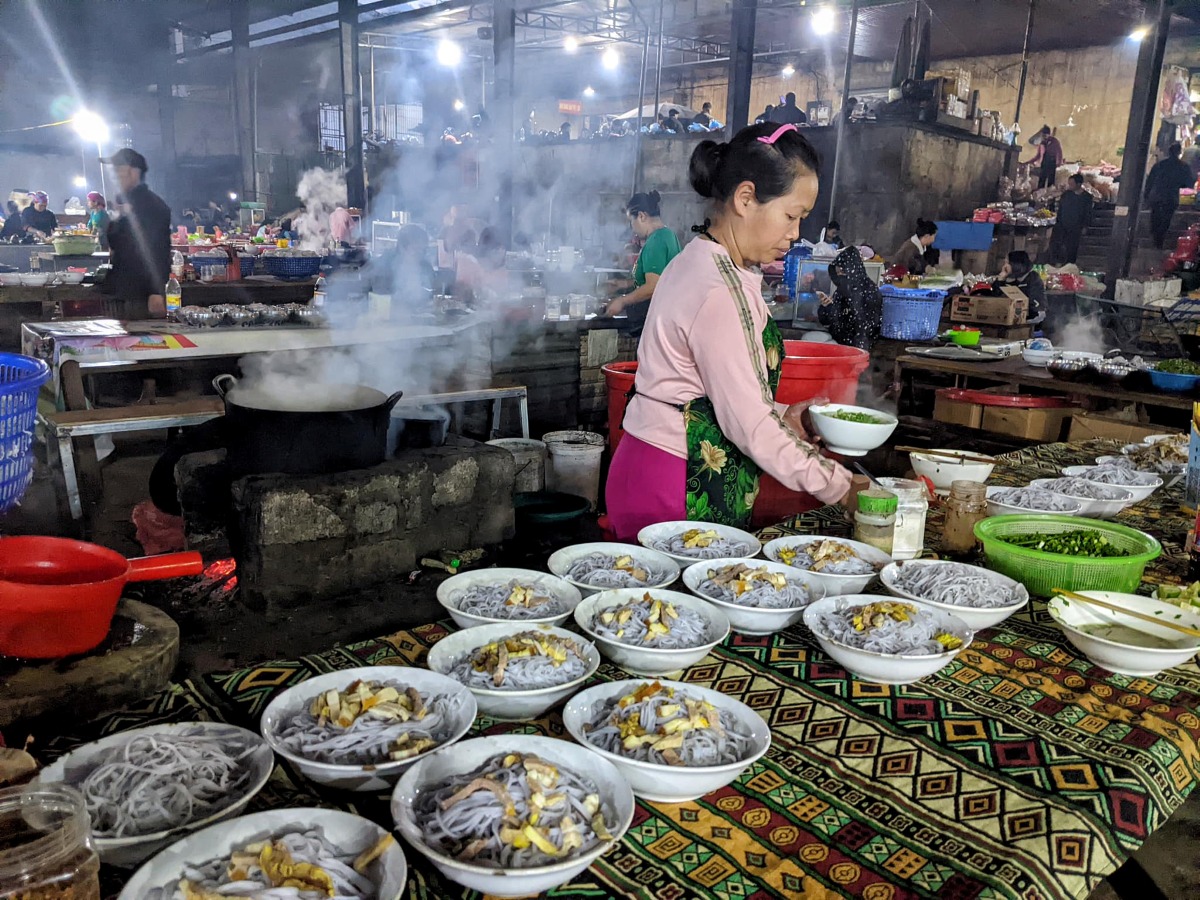
Early in the morning, local people arrive carrying baskets of produce or bringing animals to trade. Food stalls fill with the aromas of freshly prepared dishes, while colorful traditional garments create a lively scene against the mountainous backdrop.
Meo Vac also provides a glimpse into the social importance of markets. Friends and relatives meet, people exchange information, and families gather around food stalls after completing their shopping.
Travel tip: Meo Vac is an excellent addition to a multi-day Ha Giang journey. If you want to visit the Sunday market, arrange your route so that you spend Saturday night in or near Meo Vac.
(Source: Lao Dong Newspaper)
5. Coc Ly Market: A Riverside Market in the Lao Cai Highlands
Location: Coc Ly, Lao Cai Province
Market day: Tuesday
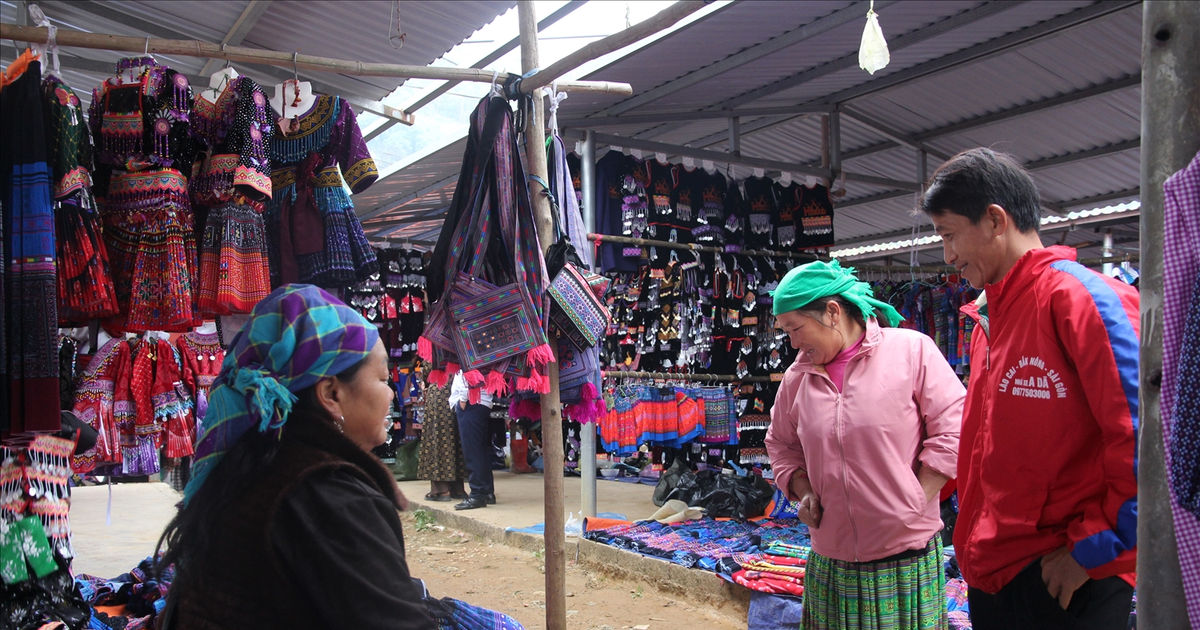
Coc Ly Market offers a different atmosphere from the larger highland markets. Located near the Chay River, it is associated with the surrounding rural communities and the agricultural life of the Lao Cai region.
The market brings together local ethnic groups, including Hmong, Dao and Tay communities. Visitors can find fresh produce, traditional clothing, household necessities and regional food specialties.
Its setting near the river and among the surrounding hills makes Coc Ly particularly appealing to travelers who want to combine cultural discovery with scenic countryside.
Depending on the itinerary and local transport arrangements, a visit may also provide opportunities to explore nearby villages and rural landscapes, offering a broader understanding of life beyond Northern Vietnam's main tourist centers.
Travel tip: Coc Ly can be considered as an alternative for travelers exploring the Lao Cai region who want to experience a market outside the usual Sapa sightseeing circuit. Confirm the operating schedule and transport arrangements before departure.
(Source: Ethnicity and Development Newspaper)
What Can You Discover at a Traditional Northern Vietnam Market?
Although each market has its own atmosphere, several experiences are common across the highlands.
Traditional Clothing and Ethnic Identity
One of the most striking features of Northern Vietnam's weekly markets is the variety of traditional clothing worn by local communities. Embroidery, batik patterns, colorful fabrics and distinctive accessories often reflect the cultural identity of the people wearing them.
These garments are not simply decorative. They can represent local traditions, craftsmanship and a strong connection to community heritage.
Local Food and Regional Specialties
Markets are wonderful places to discover the flavors of the mountains. Depending on the location, visitors may encounter noodle soups, sticky rice, grilled meats, seasonal vegetables, corn-based dishes and locally produced ingredients.
Food stalls are often informal and lively, offering a chance to observe how people eat and socialize in everyday settings.
For the most authentic experience, choose busy stalls where food is freshly prepared and ask your guide about regional specialties.
Livestock Trading and Rural Commerce
In some markets, livestock trading is an important part of the weekly gathering. Buffaloes, cattle, pigs and other animals may be traded according to local agricultural needs.
These activities demonstrate how traditional markets support livelihoods in mountainous areas, where farming and animal husbandry remain important economic activities.
Visitors should observe respectfully, avoid obstructing trading activities and follow local guidance when taking photographs.
Social Connections and Community Life
Perhaps the most meaningful aspect of these markets is their social role. For many residents, market day is an opportunity to reconnect with friends and relatives from neighboring villages.
People come to shop, eat, talk and spend time together. This social dimension is what makes the markets more than tourist attractions: they are living parts of the region's cultural landscape.
How to Plan a Visit to Northern Vietnam's Weekly Markets
Visiting a highland market requires a little planning, particularly when traveling through remote mountain regions.
Check the market day before traveling. Many markets operate weekly on a fixed day, but schedules and local arrangements can vary. Confirm the current schedule with your local guide or accommodation before finalizing your itinerary.
Arrive early. Morning is generally the best time to experience the busiest trading activities and see local residents arriving from surrounding villages.
Allow enough travel time. Mountain roads can be winding, and journeys between destinations may take longer than expected. Avoid planning too many stops in a single day.
Dress comfortably. Temperatures in the northern mountains can be cool, especially in the early morning and during winter. Bring layers and comfortable walking shoes.
Bring some cash. Small vendors and food stalls may not accept cards. Carry Vietnamese dong in smaller denominations for convenient purchases.
Ask before taking photographs. Many travelers are drawn to the colorful clothing and daily activities at the markets. Always ask permission before photographing individuals, especially children, and respect anyone who declines.
Travel with respect. These markets are primarily places for local people to conduct their daily business. Avoid treating residents as photo opportunities, and support local vendors when purchasing food or handmade products.
When Is the Best Time to Visit Northern Vietnam's Weekly Markets?
Northern Vietnam's markets take place throughout the year, but the surrounding landscape changes with the seasons.
Spring (March–May): Warmer temperatures and greener hills create pleasant conditions for exploring villages and markets. Agricultural activities and seasonal produce vary throughout the period.
Summer (June–August): Mountain landscapes become lush and rice fields grow greener. However, this is also a rainy period in many parts of Northern Vietnam, and heavy rainfall can affect road conditions.
Autumn (September–November): This is a particularly appealing season for a mountain journey, with harvest scenery in parts of the northern highlands and generally favorable opportunities for photography. Weather conditions still vary by destination.
Winter (December–February): The mountains can become cold, foggy and occasionally experience frost. Markets continue to offer cultural experiences, but travelers should prepare for lower temperatures and changing visibility.
The best time to visit ultimately depends on your chosen destination, market day and travel route. If you want to combine several markets, build your itinerary around their weekly schedules rather than trying to visit them all on consecutive days.
Beyond the Markets: Explore the Northern Vietnam Highlands
A weekly market can be the starting point for a much broader exploration of Northern Vietnam.
In the Lao Cai region, travelers can combine market visits with mountain scenery, village walks and encounters with local communities around Bac Ha and Sapa. Beyond the weekly markets, travelers can also discover the traditions and everyday life of local ethnic communities in Ta Van Village in northern Vietnam, where cultural heritage remains an important part of village life.
Further east, Ha Giang offers a spectacular journey through limestone plateaus, winding mountain passes and remote settlements. Dong Van and Meo Vac are particularly rewarding stops for travelers interested in the region's landscapes and cultural diversity.
For a more immersive experience, consider spending a night in a local homestay, sampling regional dishes or visiting nearby villages with a knowledgeable local guide. These experiences help place the market within the wider context of local life.
Rather than rushing between destinations, allow time to appreciate the details: the preparation of a traditional meal, the craftsmanship behind embroidered fabrics or the conversations taking place around a market stall.
These small encounters often become the most memorable parts of a journey.
Experience the Living Culture of Northern Vietnam with Asia Pacific Travel
Northern Vietnam offers much more than spectacular mountains and scenic roads. Its weekly markets reveal the traditions, livelihoods and community connections that continue to shape life in the highlands.
Whether you are exploring the colorful gathering at Bac Ha, discovering the remote atmosphere of Can Cau or visiting the Sunday markets of Dong Van and Meo Vac, each destination offers a different perspective on the region's cultural richness.
At Asia Pacific Travel, we help travelers and our international travel partners discover Vietnam through thoughtfully planned journeys that combine iconic landscapes with meaningful local experiences.
From the mountains of Lao Cai to the dramatic karst scenery of Ha Giang, a tailor-made Northern Vietnam itinerary can be designed around your interests, travel dates and preferred pace.
Discover Northern Vietnam beyond the usual tourist trail and experience the markets that bring its mountain communities to life.
Contact Asia Pacific Travel to plan a tailor-made journey through Northern Vietnam.
Related Posts

.png)