



.jpg)
Exploring the Cu Chi Tunnels: A Journey Beneath Vietnam’s History
Just outside Ho Chi Minh City lies one of southern Vietnam’s most remarkable historical attractions: the Cu Chi Tunnels. Hidden beneath what today appears to be peaceful countryside, this extraordinary underground network tells the story of a difficult period in Vietnam’s modern history and the resilience of the people who lived and worked here.
For international travelers, a visit to the Cu Chi Tunnels is more than simply walking through a historical attraction. It is an opportunity to understand how an extensive underground network was constructed, how people adapted to life beneath the ground, and how the surrounding landscape was transformed during the war.
Today, visitors can explore sections of the tunnels, see hidden entrances and underground facilities, learn about traditional survival techniques, and, for those interested, experience the shooting range available at the site.
Whether you are a history enthusiast, a first-time visitor to Vietnam, or simply looking for an interesting day trip from Ho Chi Minh City, Cu Chi offers an experience that is both educational and memorable.
Where Are the Cu Chi Tunnels?
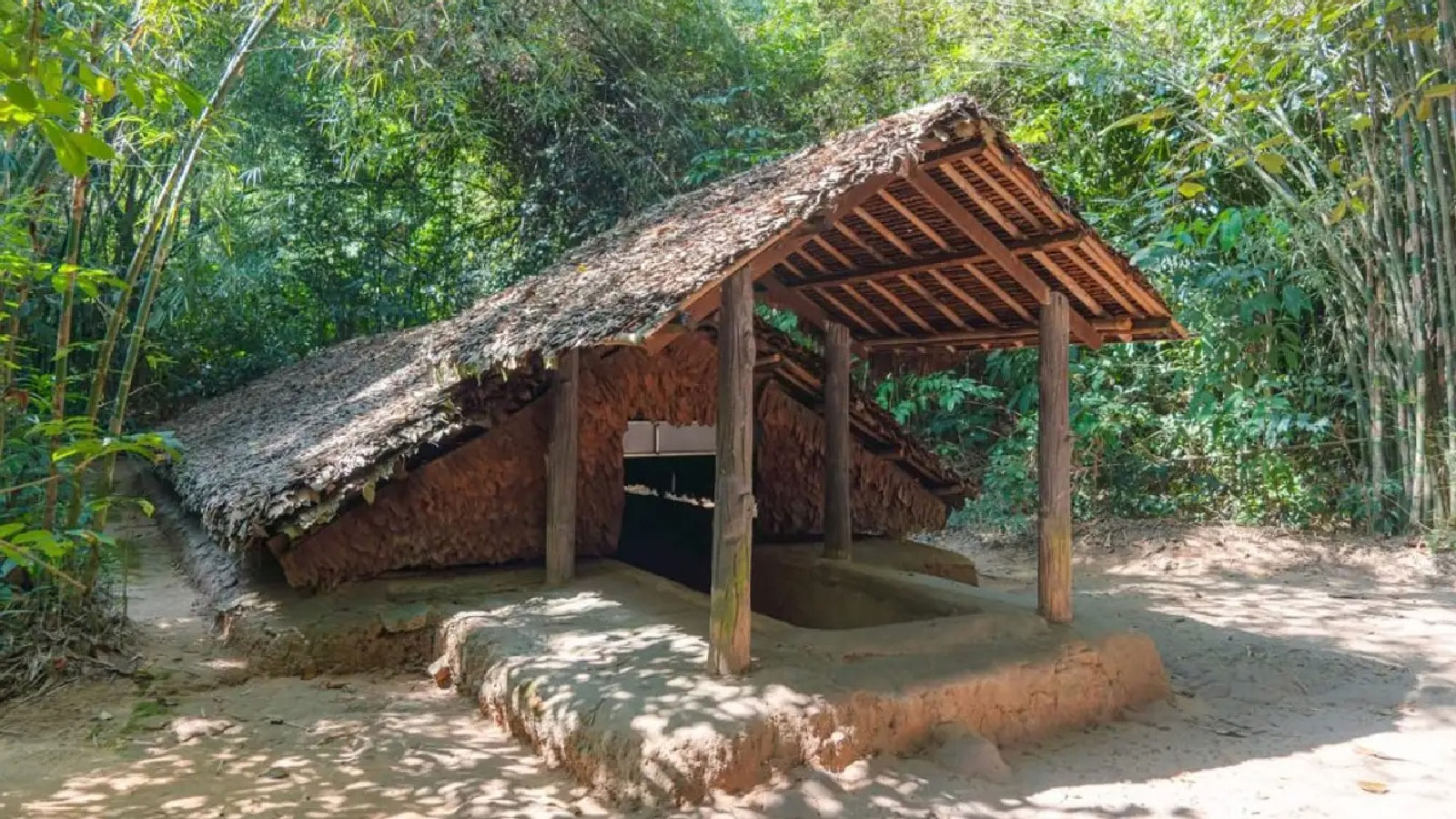
The Cu Chi Tunnels are located in Cu Chi District, northwest of Ho Chi Minh City. The area is approximately 30–40 km from central Ho Chi Minh City depending on the route and destination, making it convenient for a half-day or full-day excursion.
The landscape around Cu Chi is very different from the busy streets of central Ho Chi Minh City. Along the way, travelers can see rural roads, green vegetation, local villages and rubber plantations, offering a glimpse of southern Vietnam beyond the city.
There are two principal visitor areas:
- Ben Dinh Tunnels – the site most commonly visited on tours from Ho Chi Minh City and designed to accommodate visitors more conveniently.
- Ben Duoc Tunnels – located farther from the city and containing sections of the original tunnel system.
Both sites provide visitors with an introduction to the tunnel network and the history of Cu Chi.
(Source: TNK Travel)
A Remarkable Underground Network
The most fascinating aspect of Cu Chi is, of course, the tunnel system itself.
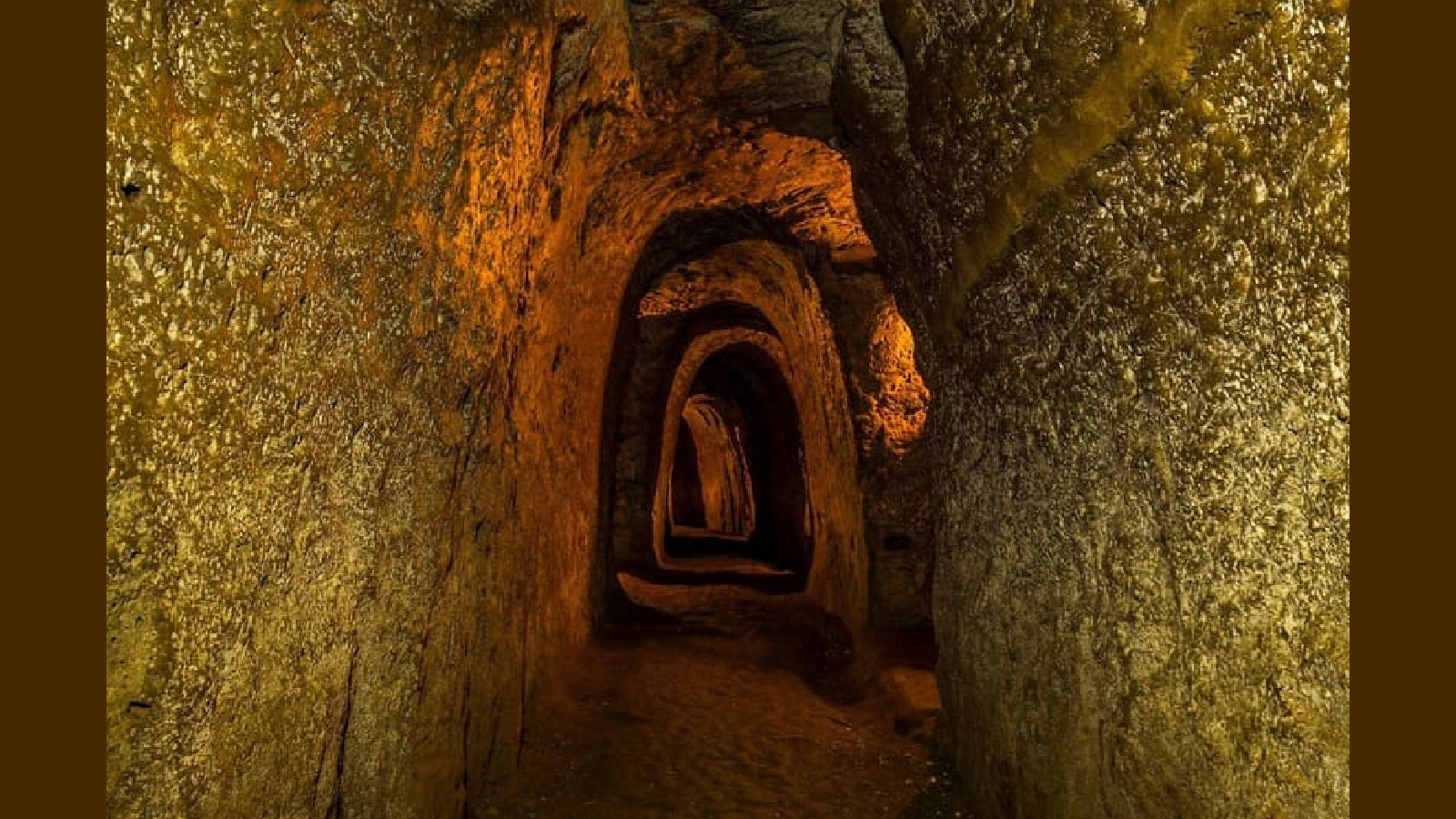
The network developed gradually over several decades. Early sections were relatively simple underground passages used to hide people, documents and supplies. Over time, separate sections were connected and expanded into a much larger system.
According to the Vietnam National Authority of Tourism, the tunnel network eventually extended for more than 200 kilometres, connecting underground shelters, storage areas, meeting rooms, kitchens, medical facilities and other spaces.
What makes the tunnels particularly remarkable is that they were constructed using relatively simple tools and considerable manual labour. The underground system became an important base for resistance forces operating in the Cu Chi area.
For visitors today, it can be difficult to imagine such a complex underground environment when standing in the peaceful forest above. That contrast is one of the most striking parts of the experience.
Walking Through the Cu Chi Tunnels
One of the highlights of a visit is the opportunity to enter a section of the tunnels.
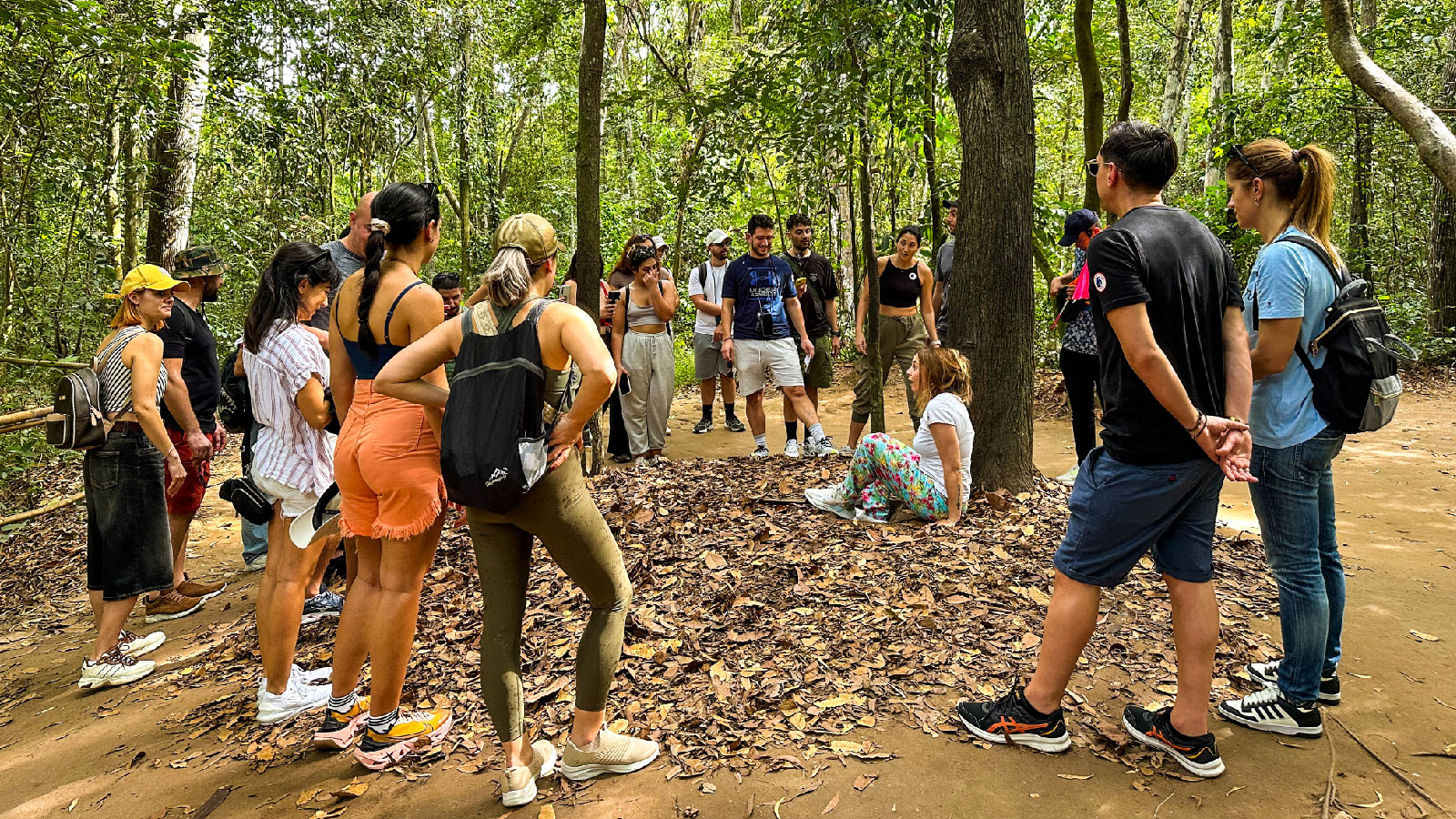
Visitors are normally introduced to the tunnel system above ground before being shown one of the entrances. Some entrances are cleverly concealed among leaves and vegetation, demonstrating how difficult it could have been to identify them from the surface.
Once inside, the atmosphere changes immediately.
The passage becomes dark, narrow and enclosed. Even though sections open to tourists have been adapted to make them more accessible, the experience gives visitors a sense of how challenging underground life could have been.
For many travelers, crawling through a short section of tunnel is one of the most memorable moments of the visit. It is also an opportunity to appreciate the physical demands of moving through such confined spaces.
If you do not feel comfortable in narrow or enclosed areas, there is no need to enter the tunnels. You can still learn about the site and explore the above-ground exhibits with your guide.
Life Underground
The Cu Chi Tunnels were not simply a network of hiding places. They functioned as an underground community with different areas serving different purposes.
Historical displays at the site introduce visitors to underground kitchens, storage areas, meeting spaces, medical facilities and living quarters.
One of the most interesting elements is the explanation of how people adapted everyday activities to an underground environment.
Food had to be prepared, supplies stored and communication maintained. Ventilation systems were also carefully designed to allow air into the tunnels while helping to keep entrances concealed.
Seeing these features in person makes the history much easier to understand than simply reading about it in a book.
(Source: TNK Travel)
Hidden Entrances and Camouflage
Another fascinating part of the visit is discovering how tunnel entrances were concealed.
From above ground, some entrances are extremely difficult to spot. Vegetation, leaves and carefully designed covers helped blend the entrances into the surrounding landscape.
Visitors can watch demonstrations showing how a person could enter and disappear beneath the ground in a matter of seconds.
These demonstrations are often among the most surprising moments for first-time visitors because they reveal how closely the tunnel system was integrated into the natural environment.
(Source: TNK Travel)
Underground Kitchens and Local Food
Life underground also required innovative solutions for cooking.
One of the best-known demonstrations at Cu Chi is the traditional underground kitchen. Visitors can learn about the techniques used to prepare food while reducing the visibility of smoke above ground.
During the tour, visitors may also have the chance to taste boiled cassava served with sesame salt, a simple food associated with the difficult wartime period.
For modern travelers accustomed to restaurants and cafés, this simple dish provides an interesting connection with the history being presented at the site.
It is not simply about tasting local food; it is about understanding how people adapted to extremely difficult circumstances.
Exploring the Traps and Defensive Features
Another part of the Cu Chi experience is learning about the defensive systems used around the tunnel network.
The site displays examples of different types of traps and explains how they were concealed in the surrounding environment. These demonstrations are presented as historical exhibits and help visitors understand the challenges faced by soldiers moving through the area.
The displays can be confronting, but they are an important part of understanding the historical context of Cu Chi.
A knowledgeable guide can provide additional background and explain the purpose of these features without reducing the visit to simply a collection of war relics.
The Cu Chi Shooting Range
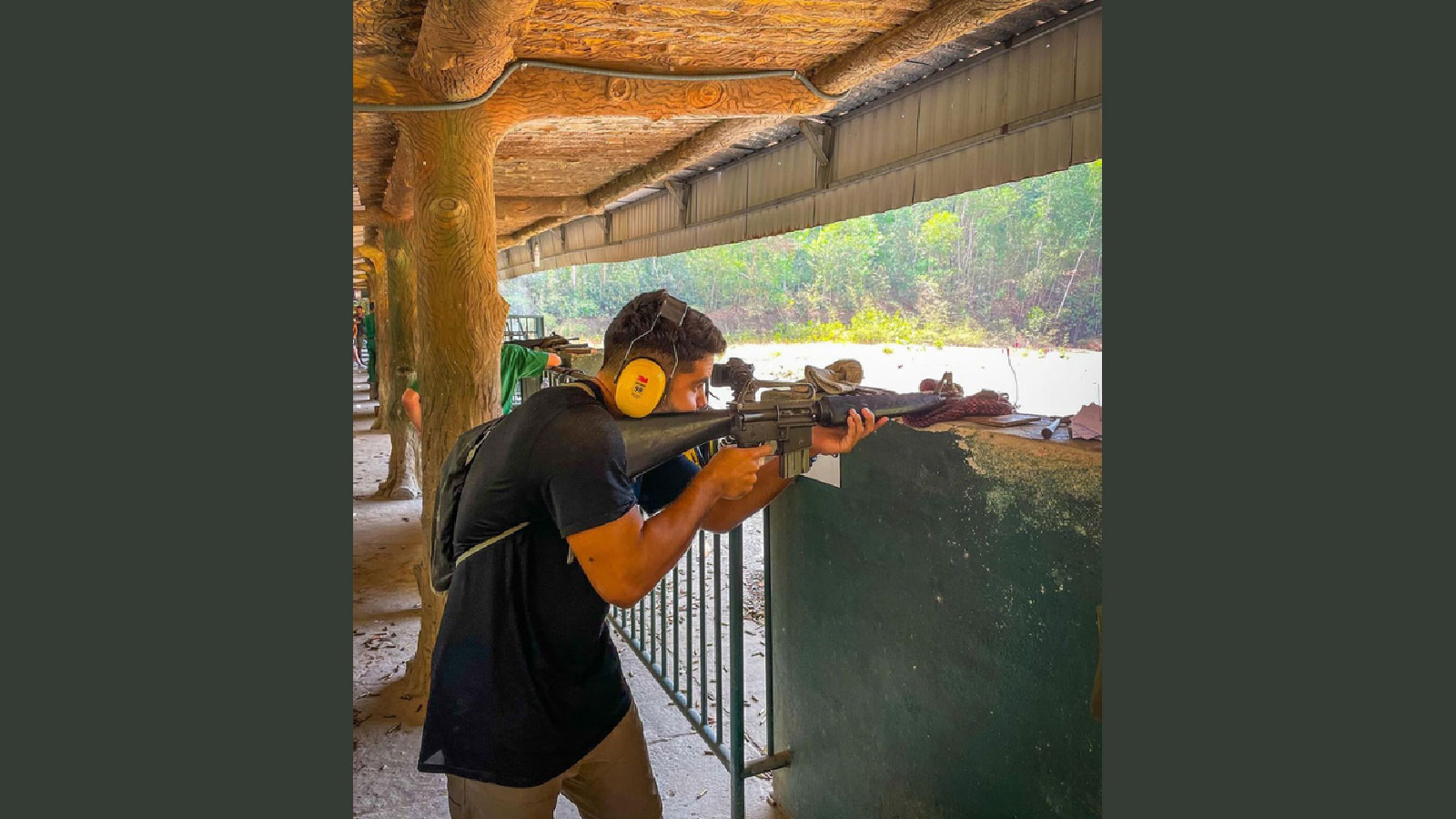
For visitors interested in a different kind of experience, the Cu Chi Tunnels also have a shooting range where visitors can, subject to the site's rules and availability, fire certain firearms associated with the wartime period. The shooting range is an optional activity and is separate from the historical tunnel exploration.
This is one of the more unusual experiences available to travelers in Vietnam.
The activity can be especially interesting for visitors who have never experienced a shooting range before. However, it is important to remember that this is an optional recreational activity rather than an essential part of understanding the historical significance of Cu Chi.
Visitors should always follow the instructions of the range staff, use the required safety equipment and comply with all site regulations.
(Source: TNK Travel)
More Than Just a Historical Site
Although the tunnels are the main attraction, the journey to Cu Chi also provides an opportunity to experience the countryside around Ho Chi Minh City.
As you leave the urban area, the scenery gradually becomes greener and quieter. Rubber plantations, small roads and rural communities replace the dense traffic and high-rise buildings of central Ho Chi Minh City.
For travelers staying in Ho Chi Minh City, this contrast makes Cu Chi an appealing day trip. In a relatively short journey, visitors can move from the energetic atmosphere of the city into a completely different landscape.
A private tour also allows travelers to combine Cu Chi with other southern Vietnam attractions, depending on their schedule.
A Meaningful Historical Experience
A visit to the Cu Chi Tunnels is ultimately about more than crawling through a narrow passage or taking photographs at a hidden entrance.
The tunnels provide an opportunity to think about the people who lived through one of the most difficult periods in Vietnam's modern history.
Today, the surrounding countryside is peaceful. Children grow up in villages where visitors travel to explore the historical site, and tourists arrive from all over the world.
That contrast between the peaceful present and the difficult history beneath the ground is what makes Cu Chi so powerful.
For many visitors, the experience changes their understanding of the Vietnam War. Instead of seeing history only through photographs, documentaries or textbooks, they can walk through a small part of the environment where people actually lived and worked.
Tips for Visiting the Cu Chi Tunnels
To make the most of your visit, keep a few practical points in mind:
Wear comfortable clothing
The Cu Chi experience involves walking outdoors and, if you choose to enter the tunnels, moving through narrow passages. Comfortable clothing and shoes are recommended.
Bring water
The outdoor areas can become warm, particularly during the middle of the day. Carrying drinking water is a good idea.
Consider your comfort level
The tunnels are narrow and enclosed. If you are uncomfortable in confined spaces, you can enjoy the above-ground exhibits without entering.
Listen to your guide
A guide can add important historical context to what you see. Many features of Cu Chi are difficult to understand simply by looking at them, so the explanations can significantly improve the experience.
Allow enough time
A half-day visit is possible, but avoid rushing. Give yourself enough time to watch the introductory presentation, explore the site, enter the tunnels if you wish, and visit the various historical displays.
How to Include Cu Chi in Your Vietnam Journey
Cu Chi works particularly well as part of a southern Vietnam itinerary.
Travelers can combine a visit to the tunnels with time in Ho Chi Minh City, the Mekong Delta and other attractions in southern Vietnam. This allows you to experience several different sides of the region – from the modern energy of Ho Chi Minh City to the peaceful waterways of the Mekong Delta and the wartime history of Cu Chi.
If you are looking for a convenient way to discover southern Vietnam, our Wonders of the South – 5 Days / 4 Nights itinerary combines key destinations and experiences in southern Vietnam and can be a useful starting point for planning your journey.
Why Cu Chi Should Be on Your Vietnam Itinerary
The Cu Chi Tunnels offer something that few other attractions can: a chance to physically enter a piece of history.
You can stand beside a hidden entrance, walk beneath the forest, see how underground spaces were organized, taste a simple traditional food, learn about the defensive systems and, if you choose, experience the shooting range.
But perhaps the most memorable part is the realization that beneath today's peaceful countryside once existed an extraordinary underground world.
For travelers interested in Vietnam's history, culture and people, Cu Chi provides an experience that goes beyond sightseeing. It connects the landscape of southern Vietnam with the stories of the people who lived through its most challenging years.
Whether you visit as a half-day excursion from Ho Chi Minh City or include it as part of a wider southern Vietnam journey, the Cu Chi Tunnels are a destination worth experiencing – and a place that can leave you with a deeper appreciation of Vietnam's history and resilience.
Related Posts
.png)

.png)
.png)